
TRC Solutions

A different way of seeing transformation risk

Most ERP programmes do not fail because of software. They fail because organizations mistake activity for readiness.

The Governance Engine is how that mistake gets detected before it costs you.

The Worldview

Most executive reporting on a transformation focuses on progress. Very little of it focuses on whether the program is still aligned to the outcomes it was meant to achieve. By the time real difficulty becomes visible, the failure usually happened months earlier when governance became theatre instead of decision-making.

None of this is unusual. It is the normal physics of transformation under commercial pressure. What changes the trajectory is rarely more delivery effort. It is independent perspective, applied at the right moment, on what the integrator and the delivery line are not in a position to see clearly.

There is a deeper version of this challenge worth surfacing. Many organizations are not, in operational terms, modernizing. They are complying, technically migrating, minimizing disruption, preserving existing operating patterns. Neither path is wrong, but they require different governance. The Engine’s first job is often to help an organization consciously recognize which path it has actually chosen.

Before commitment

SAP Transformation Exposure Check

For organizations approaching a major SAP transformation, where the implications of the decisions being taken now will define every later constraint. The exposure check produces a five-minute independent read on what may not yet have been fully surfaced before commitment. The window to address exposure on your terms is wider before the contract is signed than after.
In flight

SAP Control Score

For organizations already in delivery, where the gap between what is being reported upward and what is happening on the ground is the question that matters most. The control score produces a five-minute independent read on where pressure may already be building beneath the surface, before it surfaces in a phase gate or after go-live. This is the kind of read often shared upward ahead of a steering discussion.
The People Behind the Governance Engine

Where authority becomes operational.

The Governance Engine is carried by people who operate inside transformation pressure, not outside it. These are the people clients find themselves sitting beside when programmes stop feeling predictable.

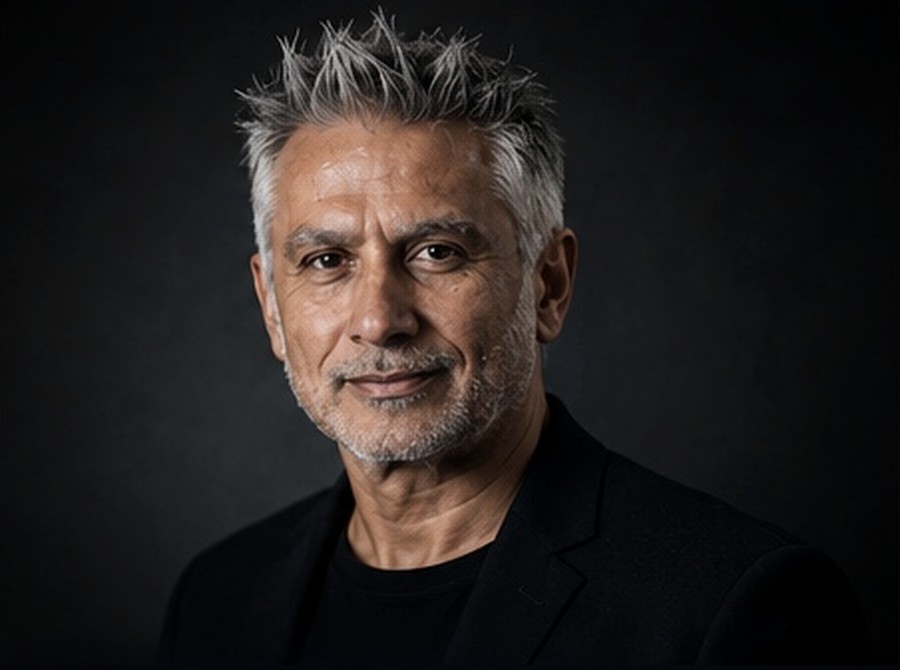
Dalip Sondhi

Gavin Peacock

Carries board-level governance authority when transformation pressure becomes commercial consequence.

woman wearing a black blazer and a delicate gold necklace

Rihana Hoosain

Carries SAP delivery accountability where operational readiness and executive pressure converge.
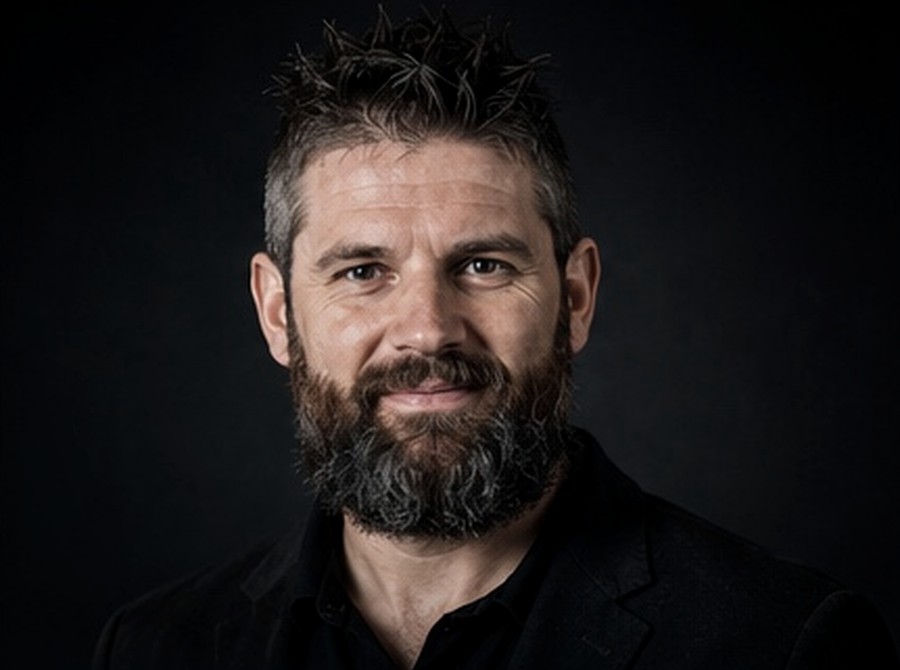
man with a full thick beard and dark

Steven Maguire

Reads the gap between transformation ambition and operational readiness before it becomes visible in formal reporting.

If a conversation makes sense

We prefer to be trusted early. But we are built for when trust arrives late.

A first conversation with TRC tends not to begin with discovery questions. Most of the patterns are already recognizable from the read. The work of the conversation is usually narrower — which of the patterns this program is on, and what the next move costs in time, money, and political capital. Twenty minutes, usually, is enough.
Governance Maps

The structure beneath the read.

The Governance Engine is supported by a structured lifecycle and governance framework spanning pre-commitment, delivery, recovery, and long-term operational stewardship. The diagnostics surface exposure and pressure quickly. The maps below show where those patterns typically emerge across an SAP transformation lifecycle.

Where Are You in Your SAP Program?

A structured lifecycle map showing where governance pressure, operational drift, and delivery exposure typically begin to surface across an SAP transformation.

The TRC Governance Method

Twenty structured governance services aligned across the SAP transformation lifecycle, from executive readiness and delivery assurance through to recovery and long-term stewardship.
Post Go-Live

Transformation risk does not end at deployment.

For many organizations, this is where operational erosion quietly begins.
The project team disbands. Governance softens. Workarounds become normalized. Support becomes reactive. Over time, the gap between what the platform was meant to deliver and how the business actually operates begins to widen again.

The Governance Engine does not end at go-live. Governance continuity is what protects transformation outcomes after deployment.

You cannot have an innovation conversation when the business is still firefighting every day.