
TRC Solutions

Run Governance · Post Go-Live

Run Governance is what protects the transformation after the program team disbands.

The post-go-live continuation of the Governance Engine, delivered through the discipline of Governance Stewardship.

Run Governance™

delivered through Governance Stewardship
What we observe

Most organizations treat go-live as the end of the program. The project team disbands. Governance softens. The integrator transitions out. Inside the business, support becomes reactive, workarounds normalize, enhancements queue without discipline, and the operating model that was carefully designed begins to be quietly renegotiated by the people who have to live inside it.

The drift is rarely visible at any single point. It is visible in patterns: RAG that has stopped reporting because there is no longer a forum to report to, escalations that have stopped reaching the executive because they have become routine, and a steady accumulation of operational debt that no one is tracking because no one was asked to.

Eighteen months later, the question on the boardroom table is rarely did we deliver the system? It is the harder one: are we still operating the way we said we would?

The architecture · orientation

Where is the operating model now?

Run Governance recognizes four stages after go-live, from stabilization through innovation readiness. Before any diagnosis, the first question is which stage the program is actually in.

Where are you after go-live?

Four post-go-live stages, the disciplines each requires, and the questions worth asking at each. A forwardable document for operational governance reviews.
RG·02 · A 5-minute read

Where has operational erosion already begun?

A pain-recognition instrument calibrated to the patterns most organizations are quietly carrying twelve months after go-live. Six questions. A score out of ten. A read worth forwarding internally.
Operational components

Governance above. Operations beneath.

Run Governance is delivered through operational components that quietly do the work. The service desk exists. It is not the story.

Proactive operational visibility

A regular, executive-grade read on whether the operating model is still operating as designed.

Escalation governance

Named ownership of operational issues that need to reach the executive line before they become routine.

Release and change governance

The forum that distinguishes between operational fixes and scope reintroduction.

Enhancement governance

Discipline that prevents reasonable individual changes from cumulatively re-creating complexity.

Monitoring and operational read

Continuous operational read on the platform, surfaced into the forums where decisions get made.

Tiered application support

L1, L2, and L3 operations. The machinery that enables governance to function in practice.

One canonical catalogue

Delivered through the Stewardship Zone of the Governance Method (GE·02) — BT, CE, and MS. One Engine, one Method, one commercial framework.

Governance continuity

When the project team disbands, the discipline cannot.

The most consistent failure mode after deployment is structural, not technical. The forums dissolve. The accountability migrates. The operating model loses the people who knew why it was built the way it was. Within twelve months, the institutional memory of the transformation has thinned enough that the original intent is no longer enforceable.

Run Governance exists to prevent that thinning. It carries the discipline of the Engine forward across the transition and establishes the operating posture of the platform from that point forward.

Run Governance

Where live operations stay governed.

Run Governance is the continuation of programme discipline after go-live. It protects operational visibility, escalation discipline, platform stability, and the confidence needed to keep improvement moving after formal delivery has ended.
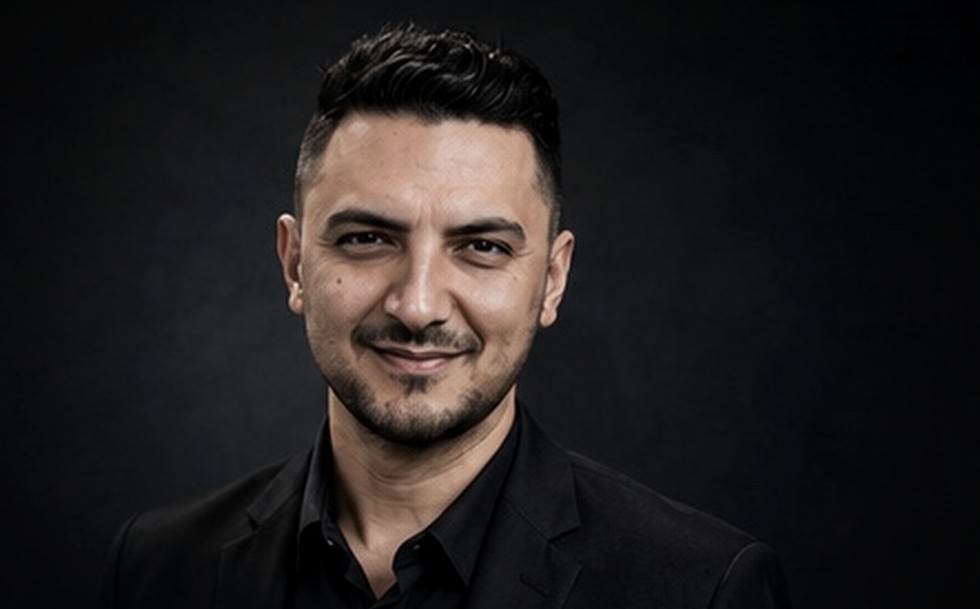
Sohbet Jumayew

Riaad Hoosain

Carries run-state governance continuity where operational pressure, support complexity, and post-go-live accountability intersect.

If a conversation makes sense

We prefer to be trusted early. But we are built for when trust arrives late.

A first conversation about Stewardship tends to begin with a single question: where has firefighting already become normalized? The answer usually surfaces faster than the organization expects. The work of the conversation is what to do with it.